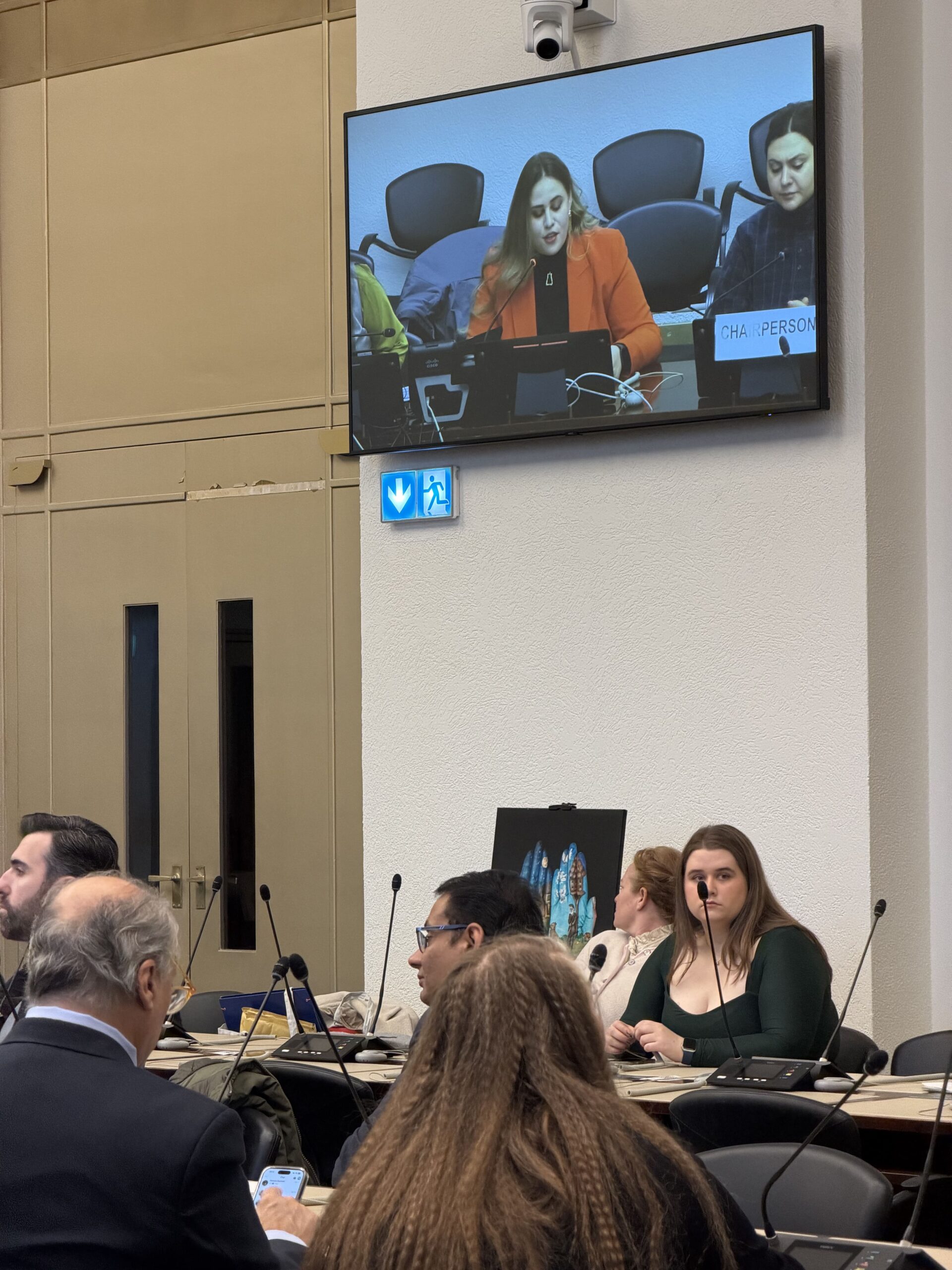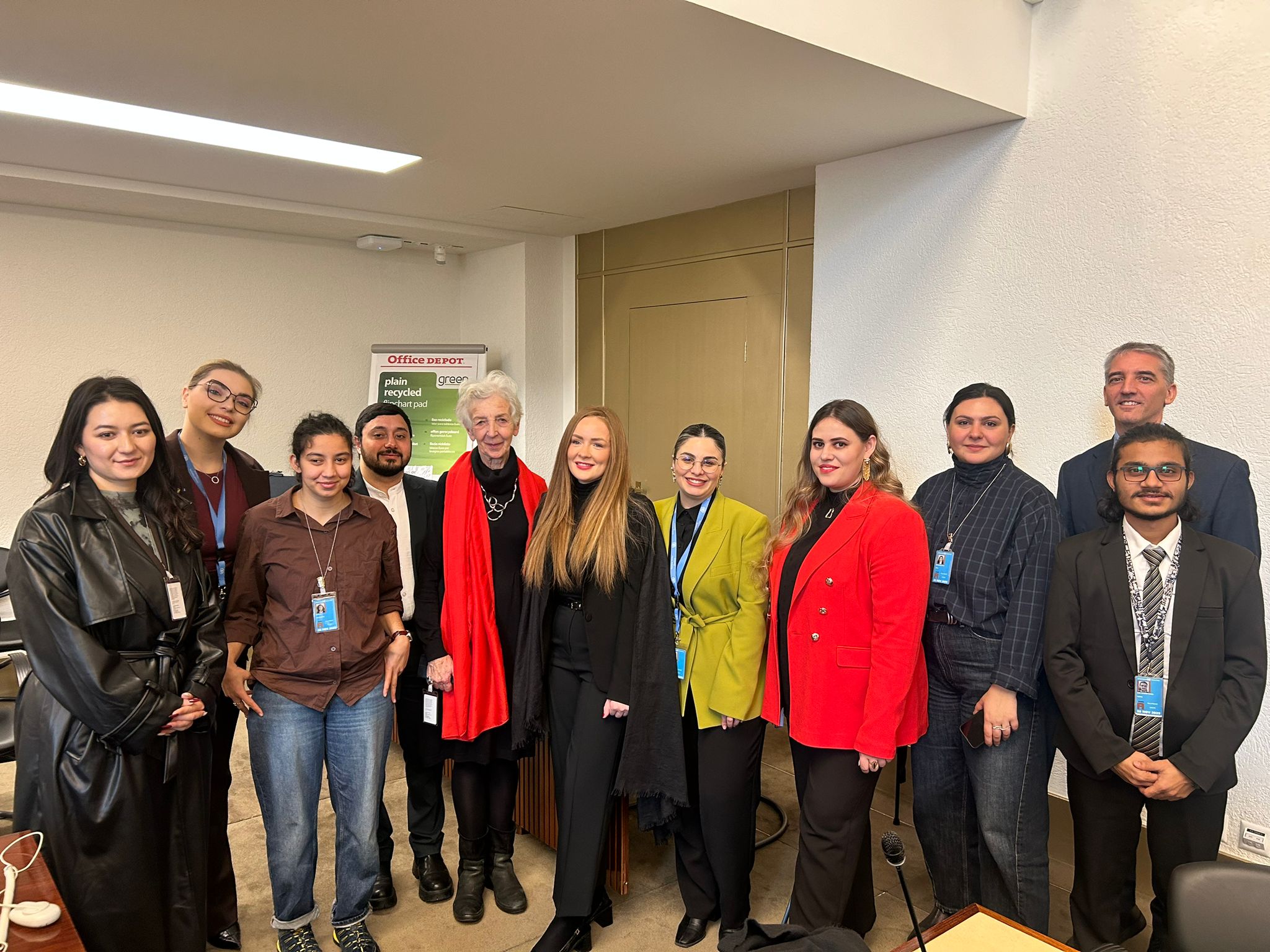
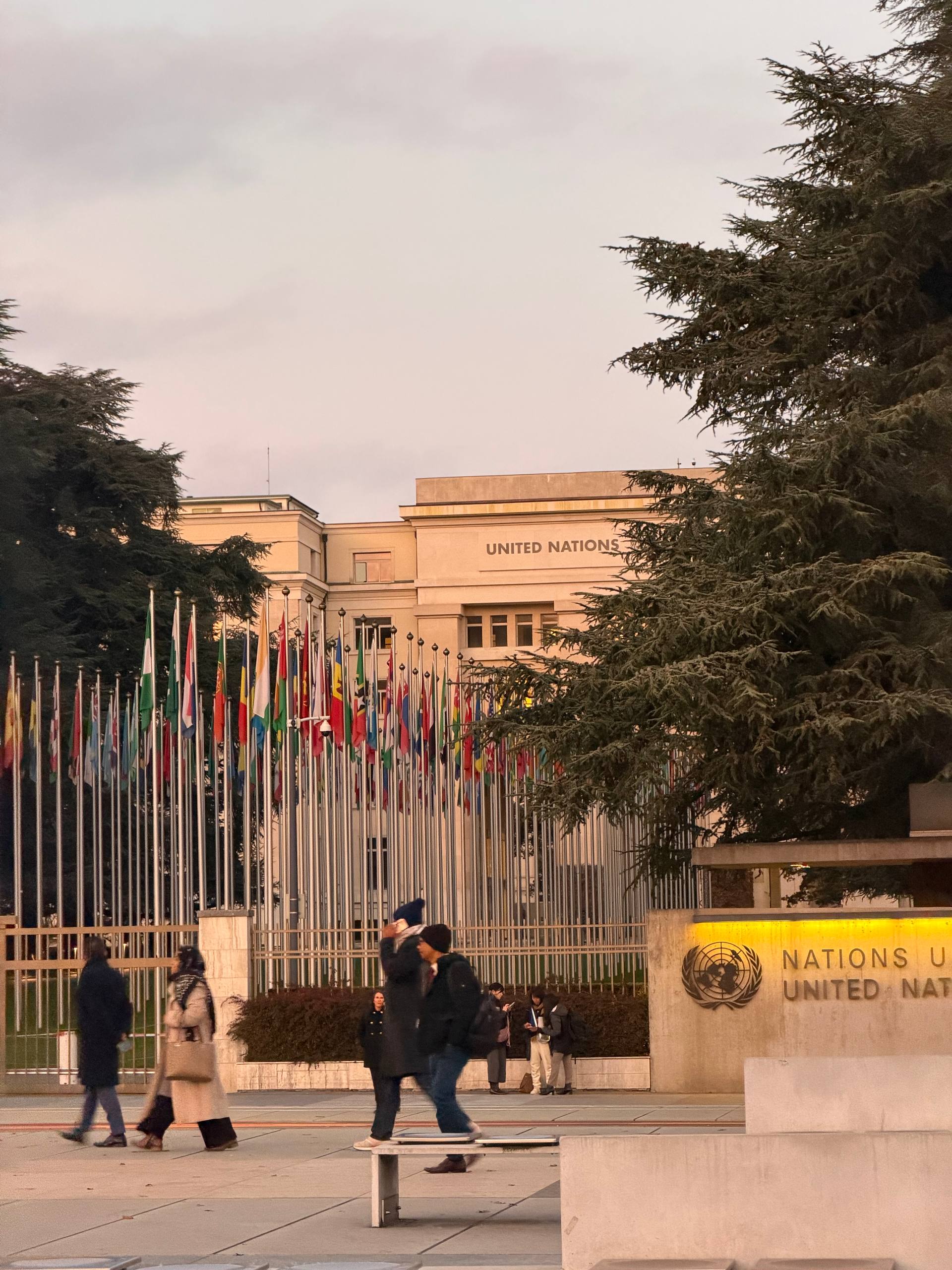
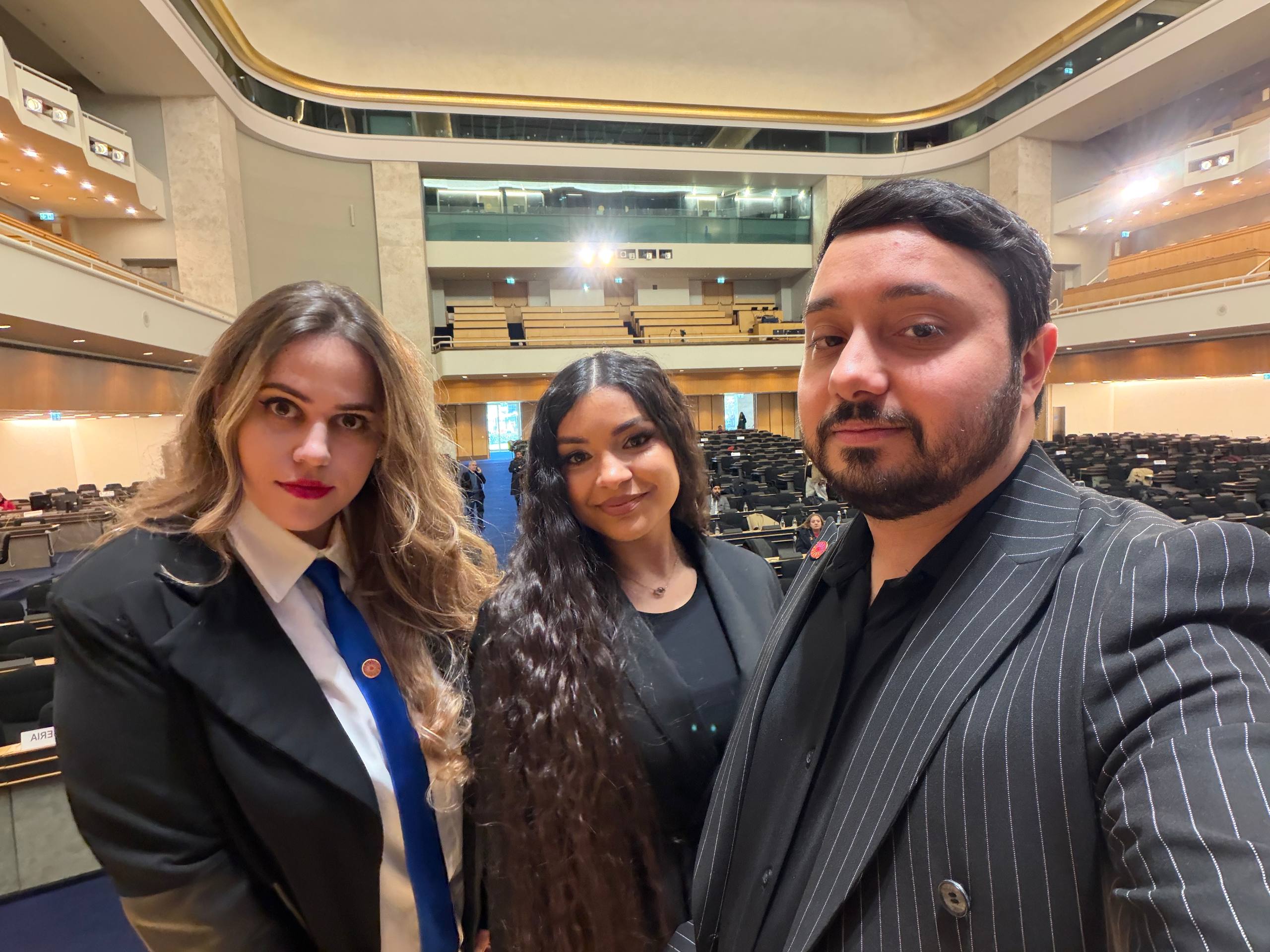
Geneva, Palais des Nations. This is the place where the global human rights agenda is shaped. In late November 2025, a delegation from the NGO “TENET,” together with the Kherson Youth Roma Society, participated in the 18th Session of the UN Forum on Minority Issues.
We went there not to ask, but to propose. Not to complain, but to testify. We brought with us the concept of a “Shift from Aid to Agency” and the artistic project “Memory Bridges,” which became the voice of those who were once silenced.
In this article, we share how Ukrainian Roma youth helped shape the agenda at the highest international level.
What is the Forum and Why Does It Matter?
The Forum on Minority Issues is the premier annual platform within the UN system for dialogue between Member States, specialized agencies, and civil society representatives. It is a unique space where activists can speak directly to governments, share best practices, and point out systemic issues.
The theme of the 18th session—“Minorities’ Contribution to Diverse, Sustainable, and Peaceful Societies”—resonated with particular urgency in the context of global conflicts. The Forum’s main task is to develop concrete recommendations for the UN Human Rights Council.
“Diversity is the Fuel of Life”: Key Messages from the High Commissioner
The Forum was opened by the UN High Commissioner for Human Rights, Volker Türk. His speech set the tone for all subsequent discussions and, crucially, reinforced the messages brought by the Ukrainian delegation.
Volker Türk pointed directly to the crisis of representation that exists in the world:
“Our institutions still do not reflect the diversity of the people they serve. The absence of Roma representatives in the European Parliament is just one such example.”
He outlined four priorities for states, which fully resonate with our advocacy strategy:
- Comprehensive anti-discrimination laws: Minority rights are human rights.
- Participation in governance: “Minorities must be invited to participate in governance. Inclusion builds trust.”
- Education: Incorporating human rights into curricula to dismantle stereotypes.
- Data: “Many violations remain invisible due to a lack of data, leading to a lack of accountability.”
We are grateful to the High Commissioner for his attention to the problems of the Roma community. His words provided a powerful foundation for our speeches, as the transition from invisibility to participation was exactly what we were there to discuss.
Our Interventions: The Voice of Ukraine
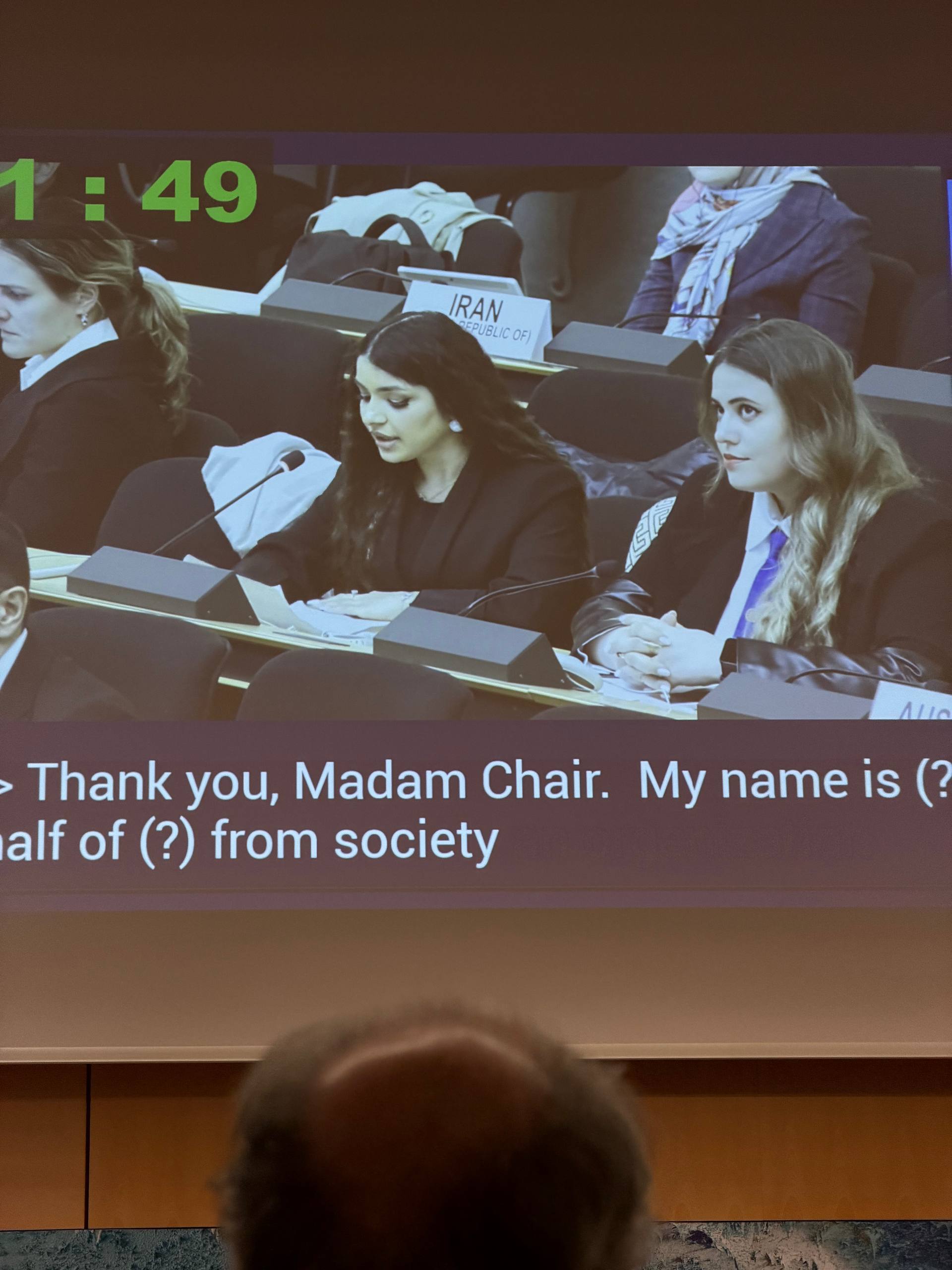
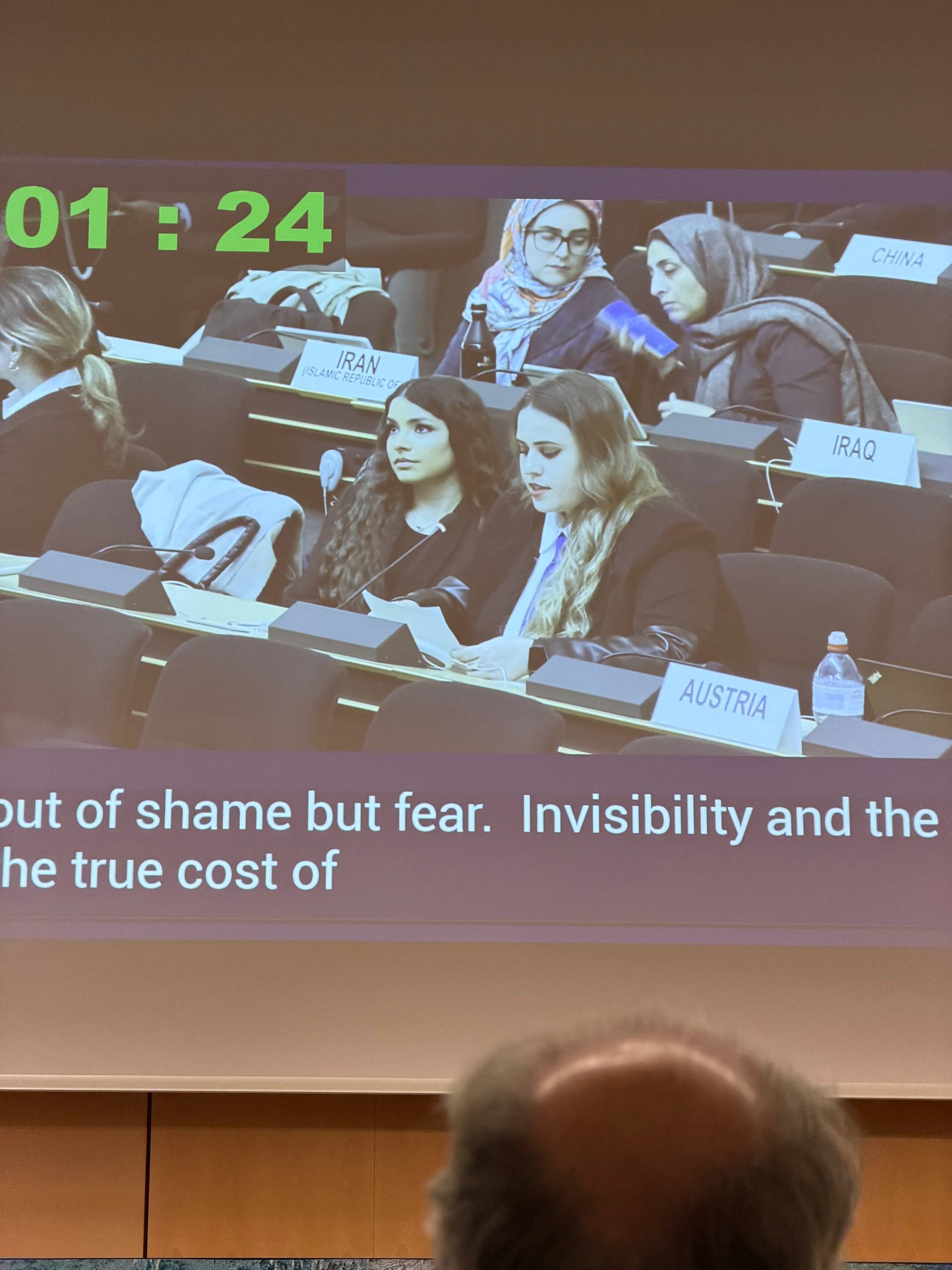
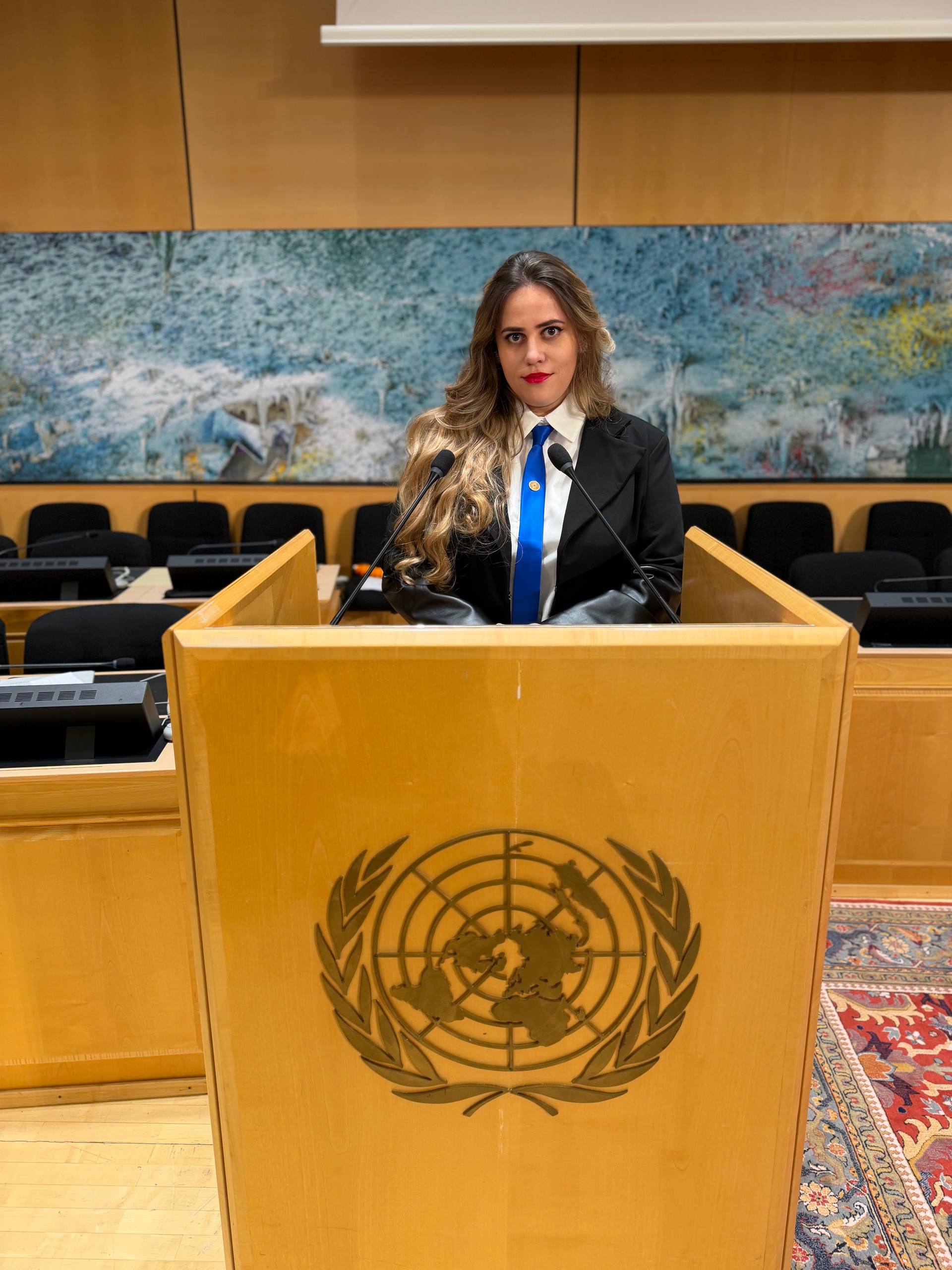
The Ukrainian delegation used the Forum platform to convey the truth about the situation of the Roma community in wartime conditions. We delivered two official statements during the plenary sessions.
- Tetiana Storozhko: “Living at the Intersection of Two Wars”
In her speech, the Head of NGO “TENET” spoke about the unique experience of her generation, which finds itself between the historical trauma of the Genocide and the brutal reality of Russian aggression.
“I know the price of historical silence personally. I spent years gathering my family’s history crumb by crumb. Today, as Roma youth defend Ukraine, we risk becoming invisible again if our contribution is not recognized now,” Tetiana noted in her address to the Chair of the Forum.
Key Recommendation: The international community must change its strategy. Short-term humanitarian aid solves the problems of “today,” but only investments in institutional capacity and leadership education guarantee a peaceful “tomorrow.”
- Vira Dranhoi: A Double Challenge for Women
Representative of NGO KYRS, Vira Dranhoi, raised the issue of Roma women and girls facing double barriers: gender inequality and the consequences of war (loss of access to education, documents, housing).
“We need the institutional inclusion of Roma women in decision-making processes — from local councils to national recovery programs. Roma women must be strategic partners,” Vira emphasized.
Cultural Diplomacy: The “Memory Bridges” Exhibition
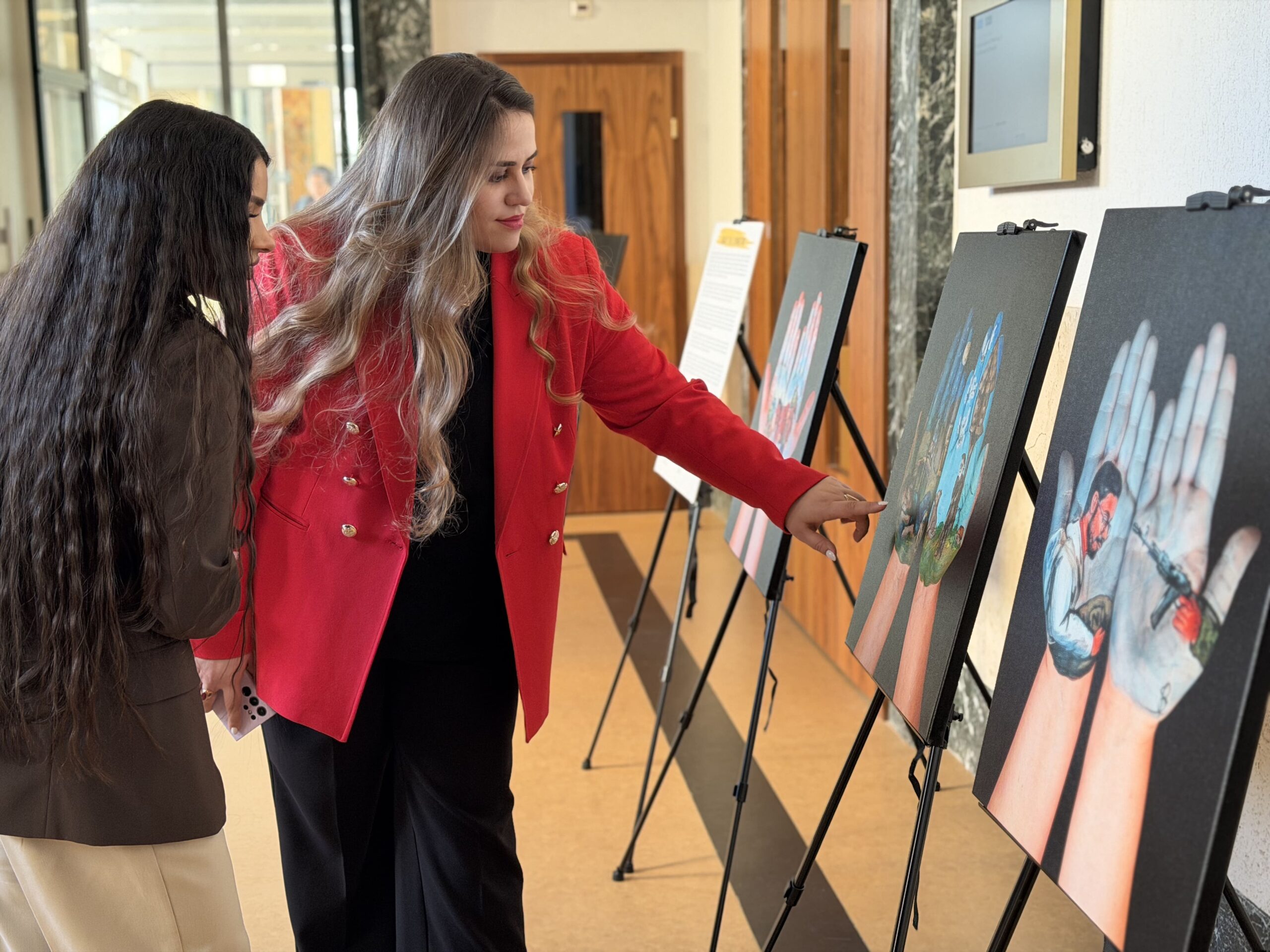
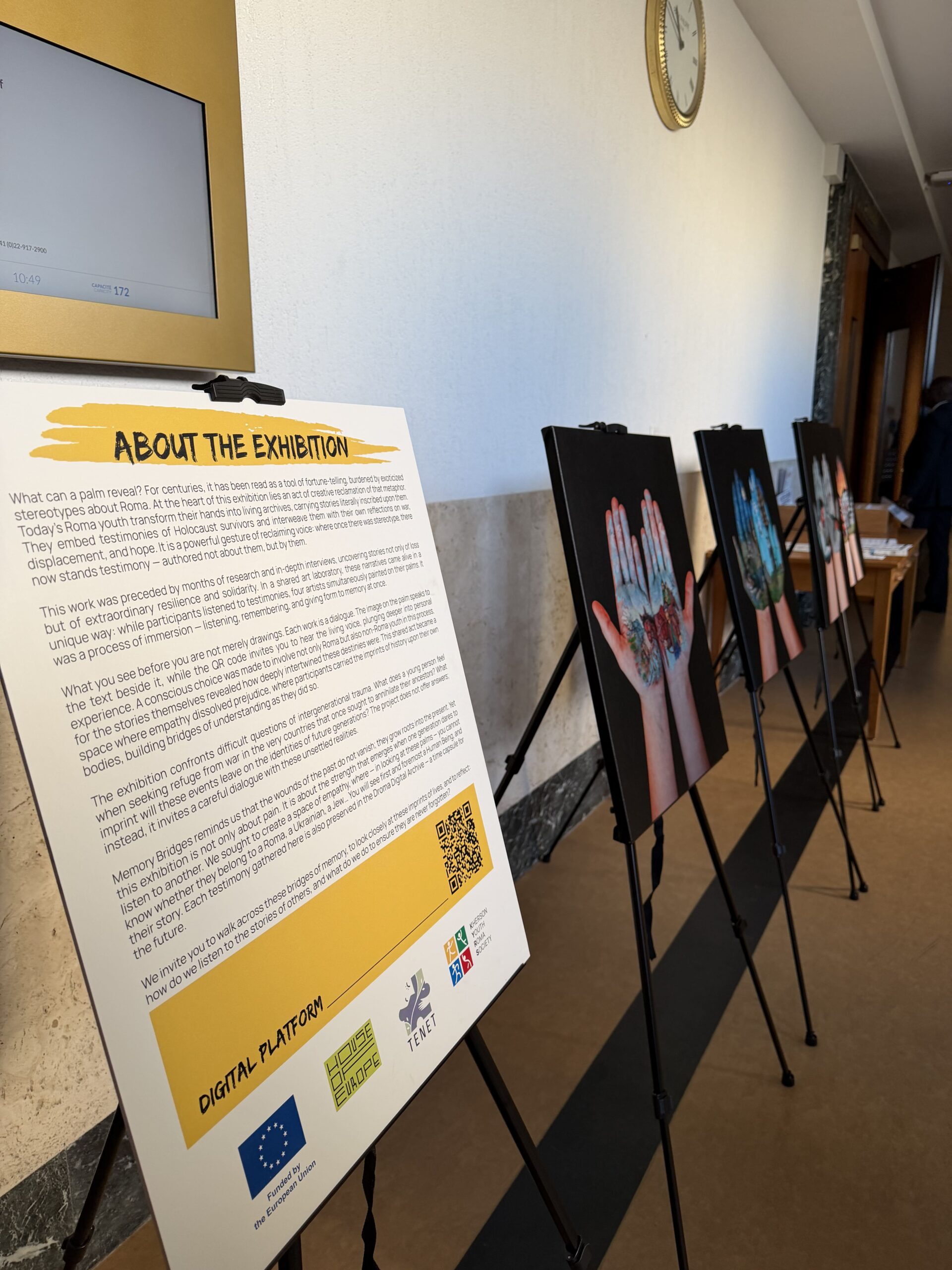
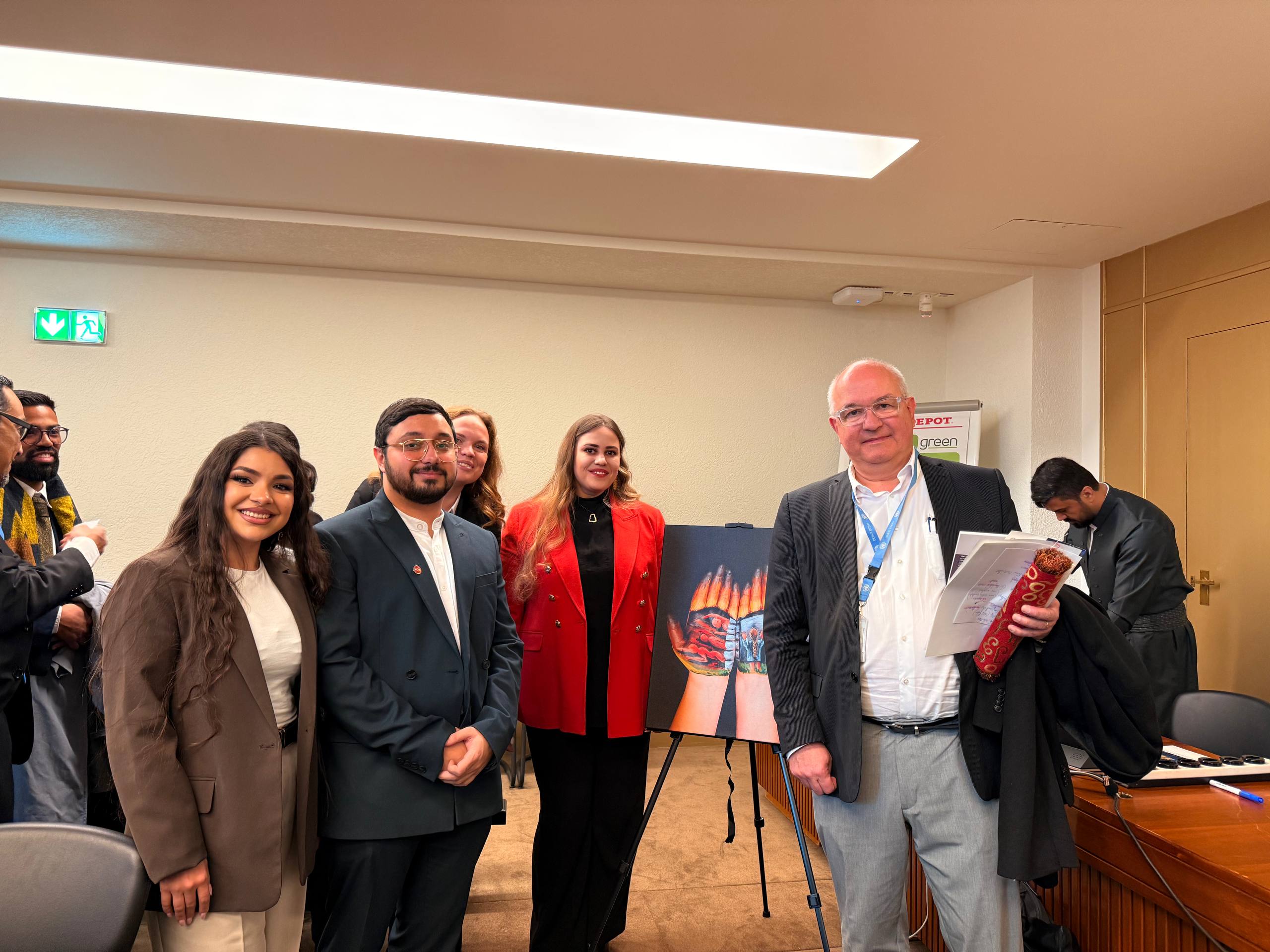
A real breakthrough was the presentation of our art project, “Memory Bridges“ Thanks to the support of House of Europe, we brought 10 canvases to Geneva depicting palms with painted stories: 5 testimonies of the Genocide and 5 stories of the modern war.
The exhibition was presented at two significant side events:
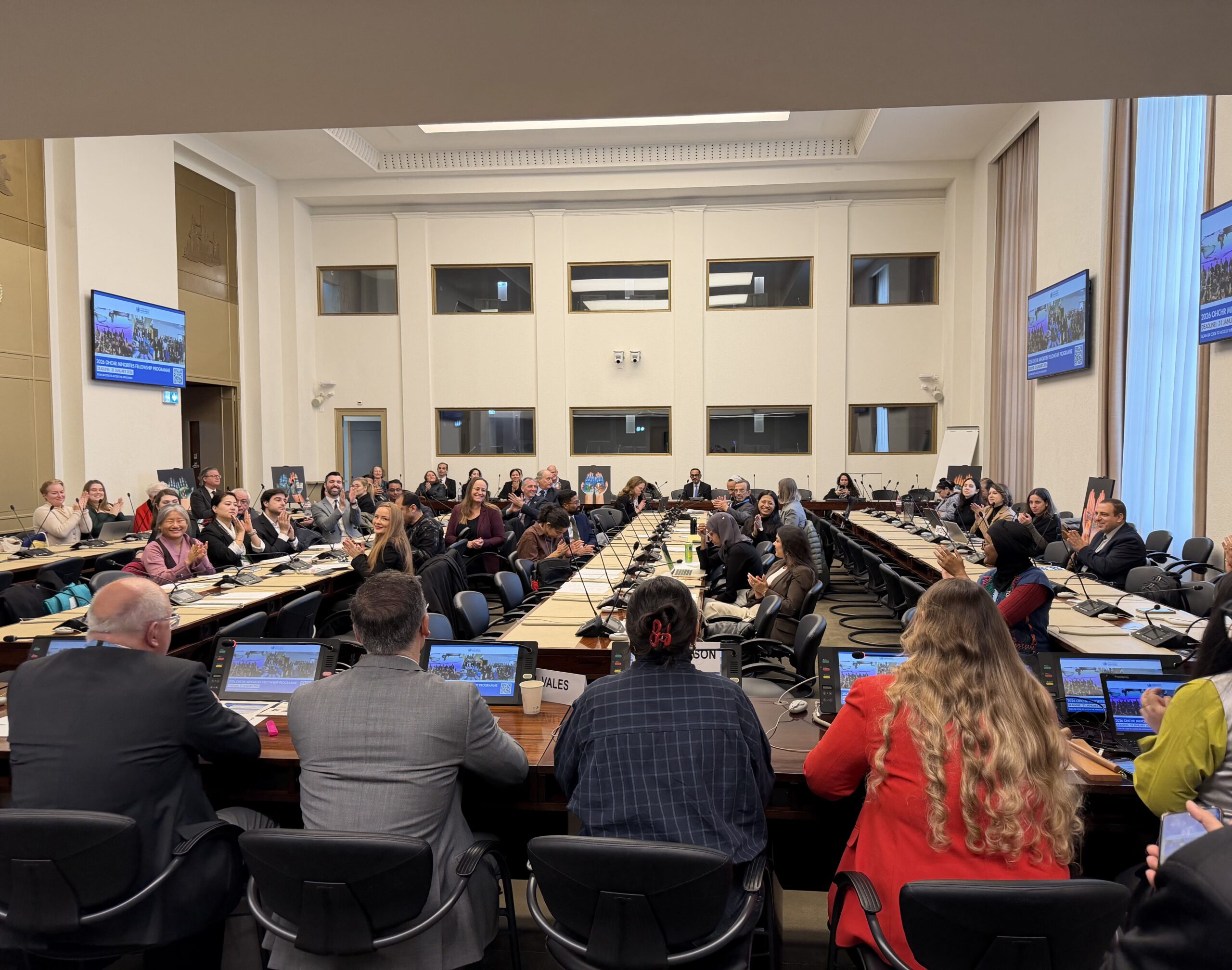
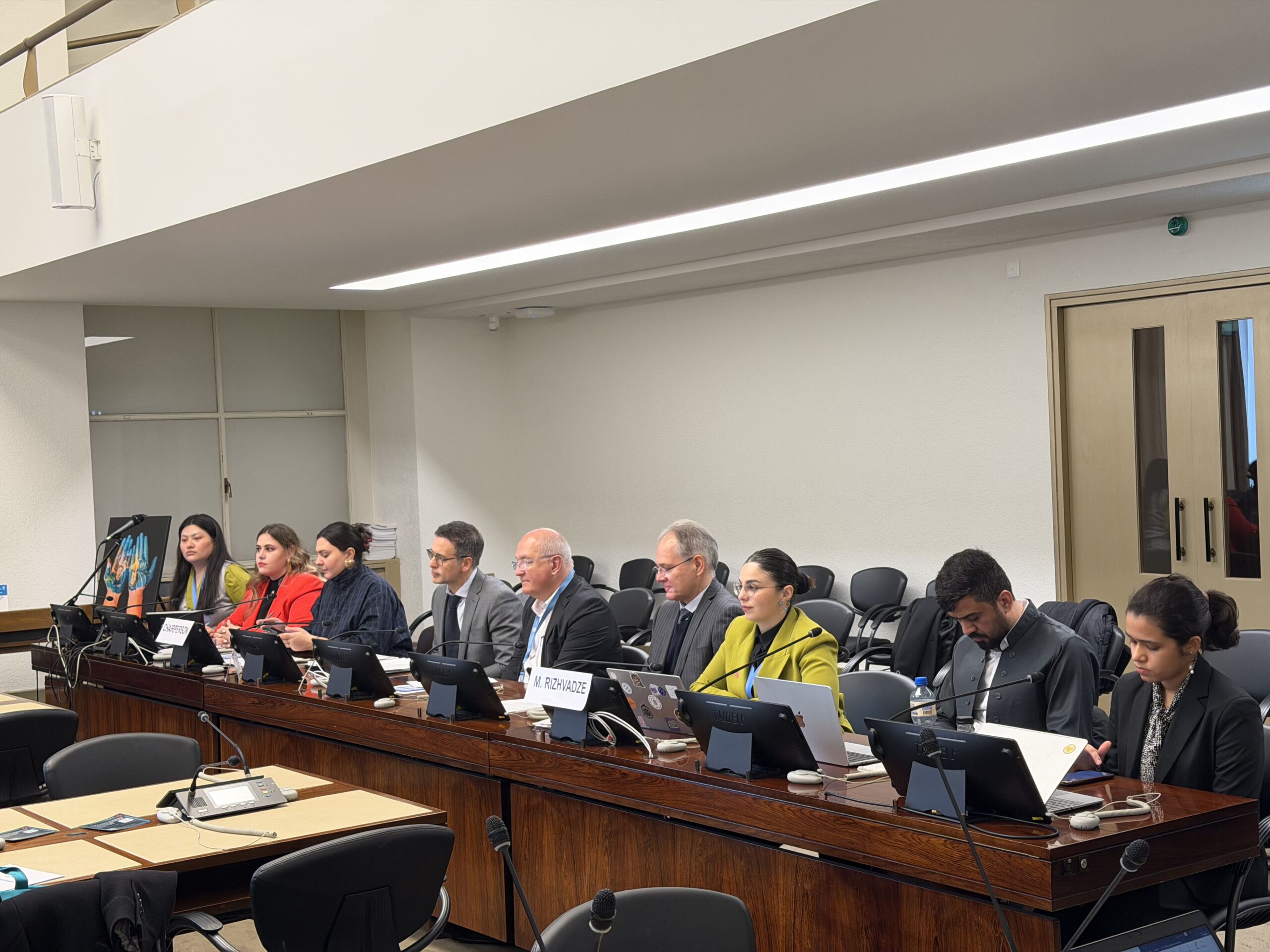
Event 1: Anniversary of the Fellowship Programme (OHCHR) The event “The Minority Fellowship Programme at 20: Impact & Innovation” gathered alumni from around the world. Tetiana Storozhko presented the exhibition on a panel alongside high-ranking officials: UN Special Rapporteur Nicolas Levrat and Chief of the Indigenous Peoples and Minorities Section at OHCHR, Hernan Vales. It was a moment of triumph for “cultural diplomacy”: instead of dry reports, we offered the audience a way to feel history through art.
Event 2: Solidarity Against Oppression (GFoD) Our project resonated so deeply that we received a special invitation to speak at another event—”A Step Forward at the UN to Address Hierarchical Oppression.” We thank the organizers—the Global Forum of Communities Discriminated on Work & Descent (GFoD) — for this opportunity. This was an important step toward building global solidarity with other communities facing discrimination based on descent.
Fellowship: An Ecosystem of Leaders
Our success in Geneva is the result of systematic work and continuity. All members of our team in Geneva are connected to the OHCHR Minority Fellowship Programme:
- Tetiana Storozhko — 2023 Alumna.
- Vira Dranhoi — 2024 Alumna.
- Artur Ivanenko — 2025 Fellow and co-curator of the exhibition.
This is the best proof that investing in youth education works. The program gave us the tools and confidence, and we converted them into real change and international advocacy.
Conclusions and Acknowledgments
Participation in the Forum demonstrated that Ukraine has a powerful voice. We are capable of not only asking for solidarity but also offering the world new models for working with memory and trauma.
This mission was made possible through synergy and support:
- We thank House of Europe for believing in our project and financially supporting the trip.
- We express our gratitude to Mr. Volodymyr Leysle, Head of the Council of Germans of Ukraine, for his expert advocacy and assistance in organizing the presentation.
- We thank Ms. Anna Glukhova from the Permanent Mission of Ukraine to the UN in Geneva for her attention to our event and her support.
We are returning home to continue building bridges—between the past and the future, between Ukraine and the world.
The project “Memory Bridges: A Creative Dialogue Between the Past and Present of the Roma Community” is implemented with the support of the European Union under the House of Europe program.