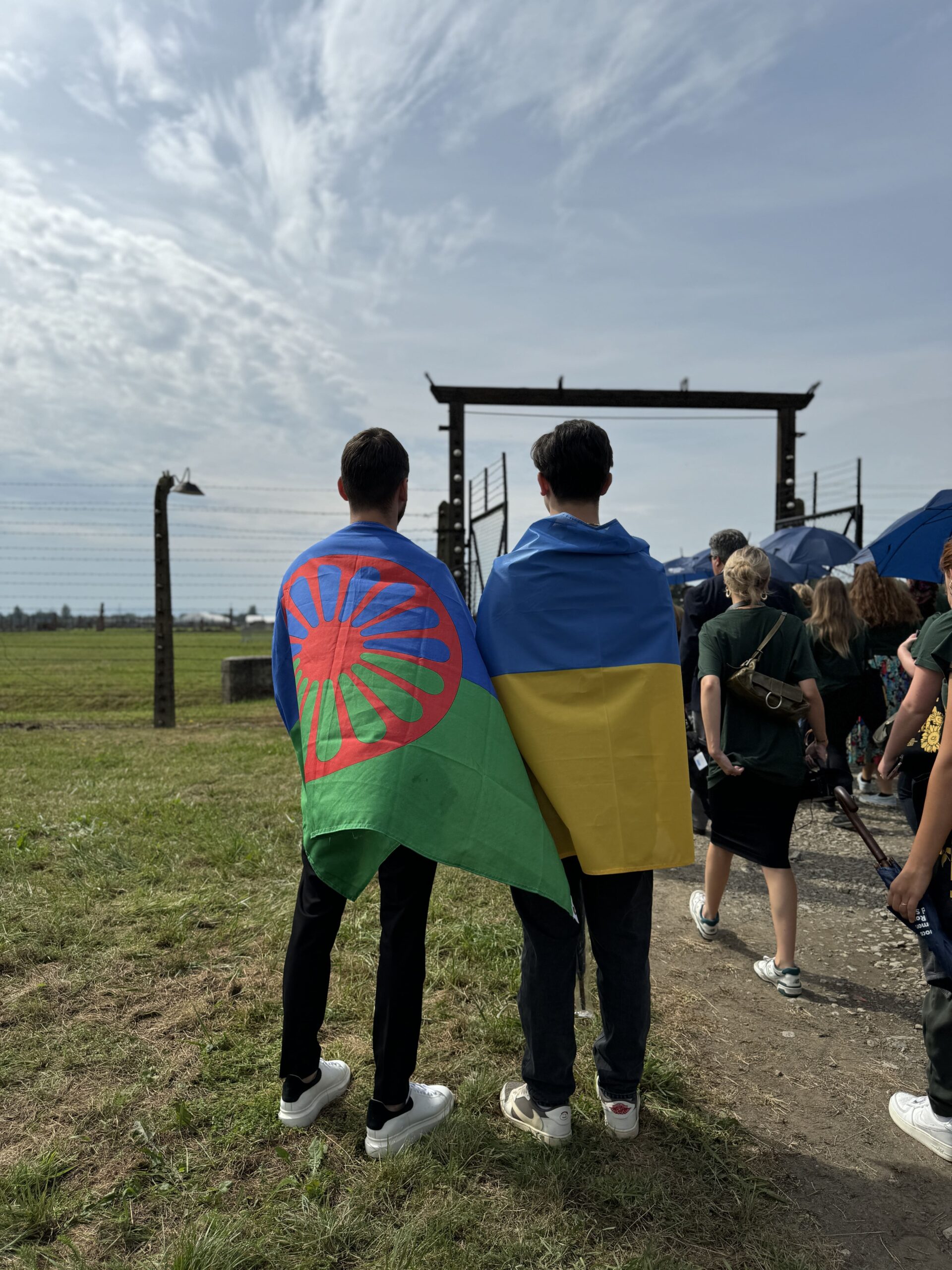
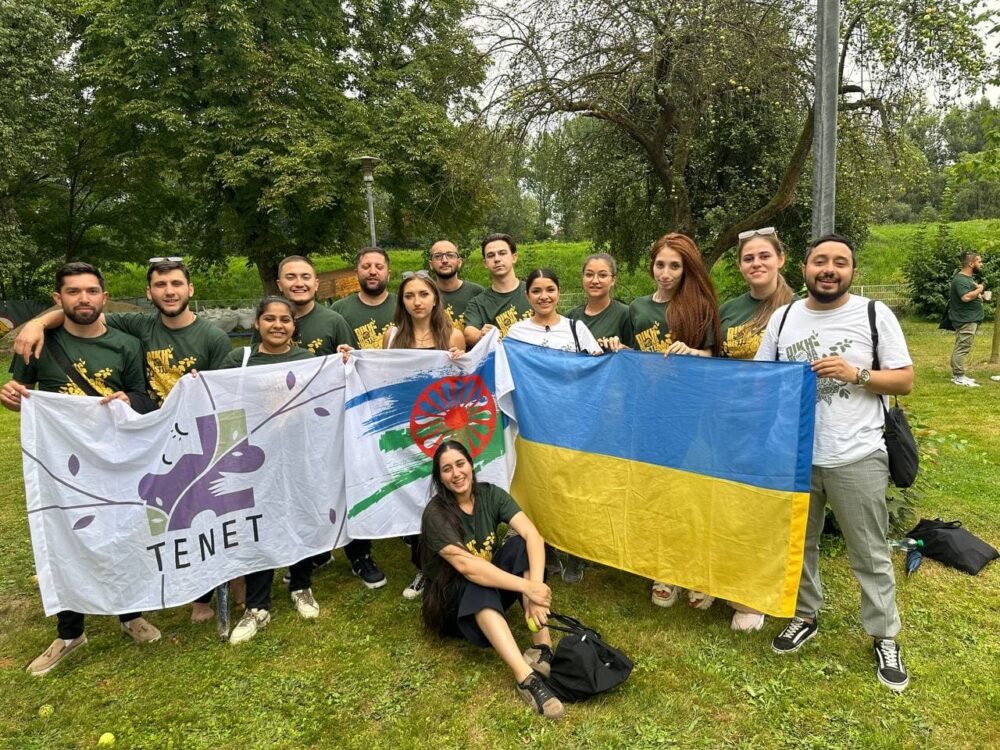
In late July and early August, the team from the non-governmental organization TENET, along with a delegation of Ukrainian youth, participated in the annual international educational event Dikh He Na Bister 2024 (“Look and Don’t Forget”), held in Krakow, Poland. This 6-day event, dedicated to the memory of the Roma genocide during World War II, brought together hundreds of young people from around the world for shared learning, reflection, and commemoration of the victims.
What is Dikh He Na Bister?
Dikh He Na Bister, which translates from the Romani language as “Look and Don’t Forget,” is Europe’s largest youth initiative aimed at raising awareness about the Roma genocide. The event aims not only to educate about the tragic events of the past but also to inspire a new generation of activists to fight against racism, discrimination, and hate speech, which unfortunately still exist in the modern world.
The Ukrainian Delegation and TENET’s Role
As a partner from Ukraine, NGO TENET organized and accompanied a group of Roma and non-Roma youth. Over six days, the participants delved into the history and culture of the Roma people, exploring complex topics through lectures, workshops, and discussions.
Key moments of the program included:
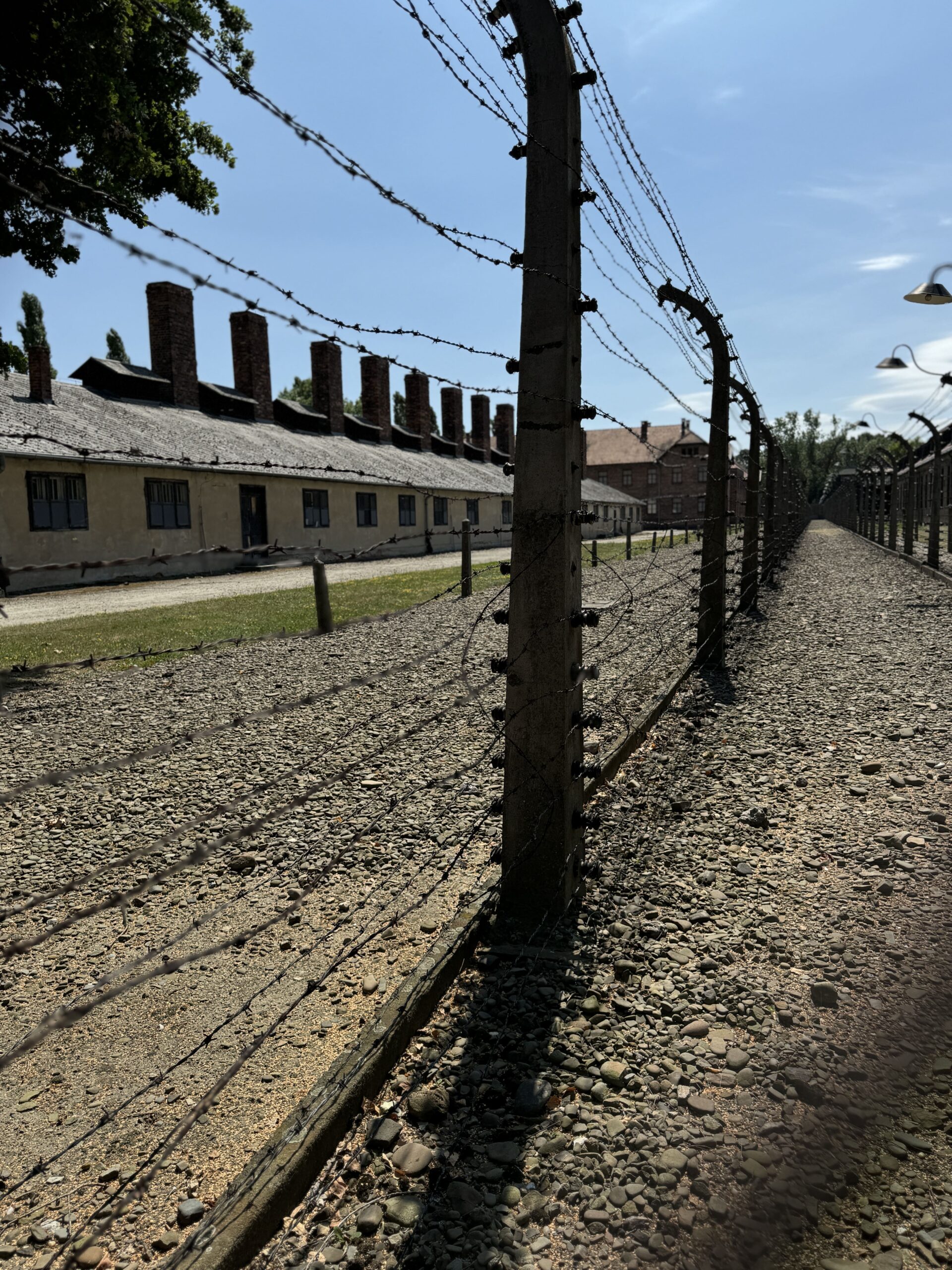
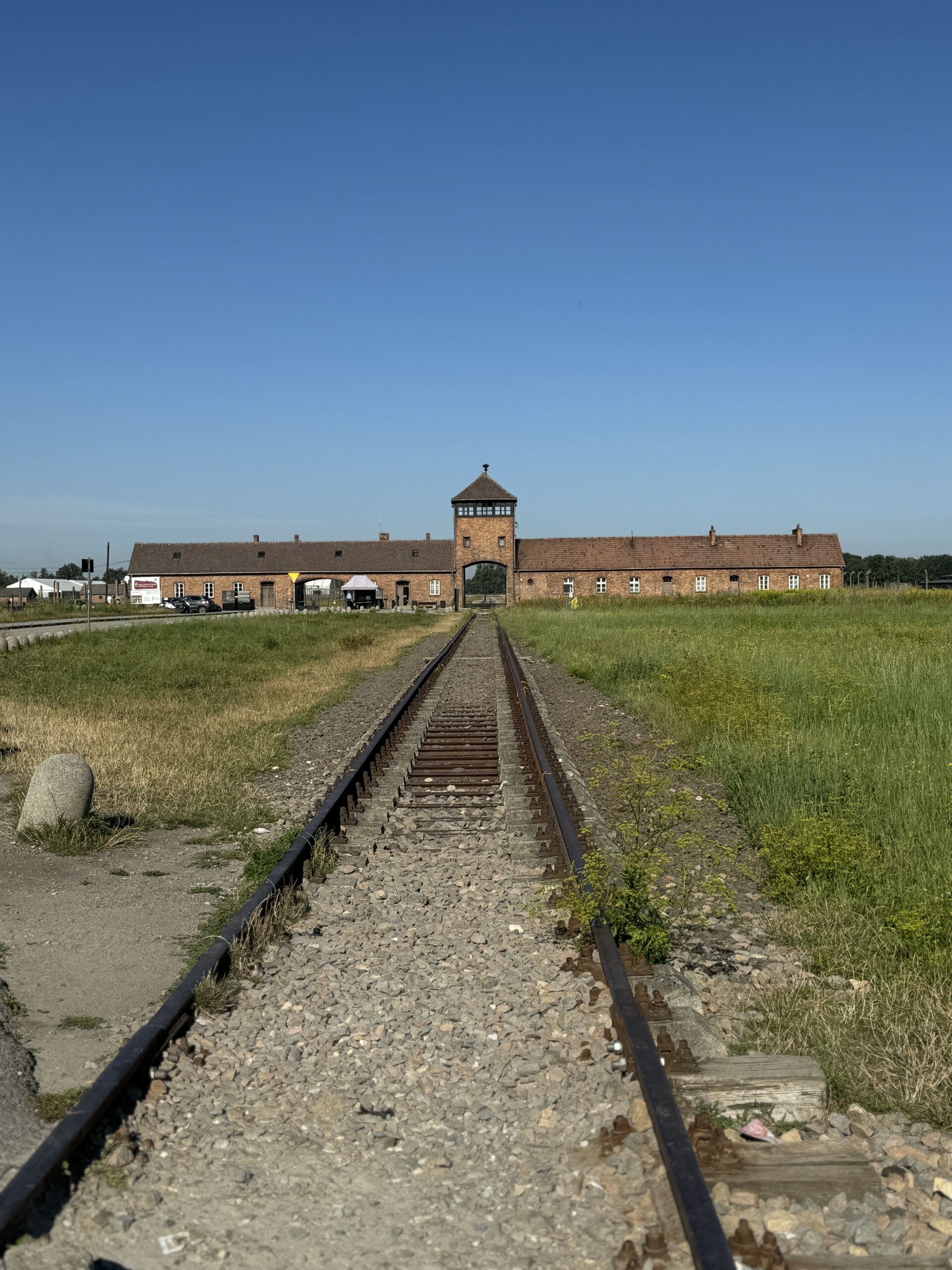
- A visit to the Auschwitz-Birkenau State Museum: Participants witnessed firsthand the scale of Nazi crimes at the former concentration camp, known as the “Death Factory.”
- A meeting with Krystian Pfeil: A conversation with a Roma genocide survivor served as a powerful testament to the resilience of the human spirit.
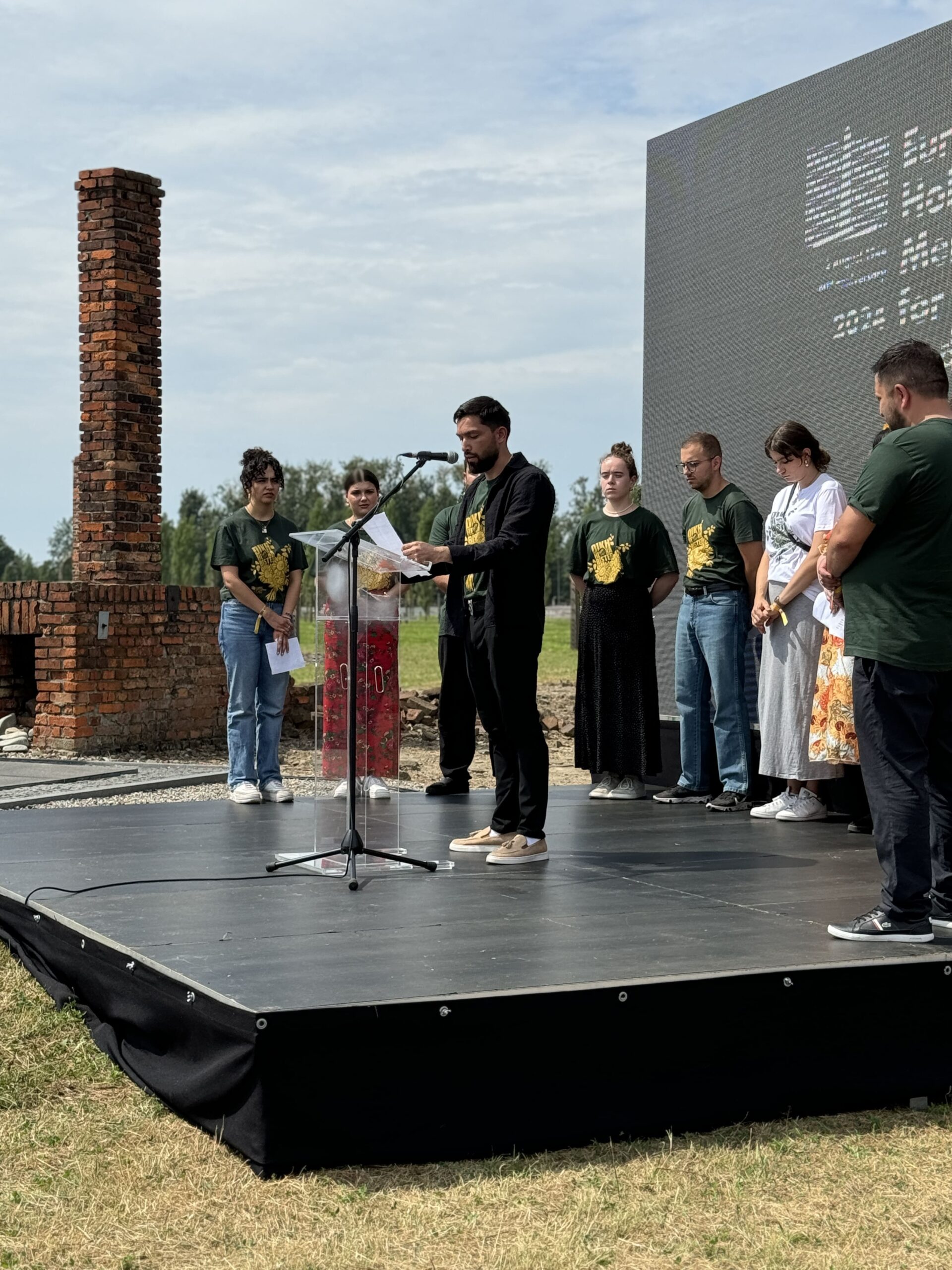
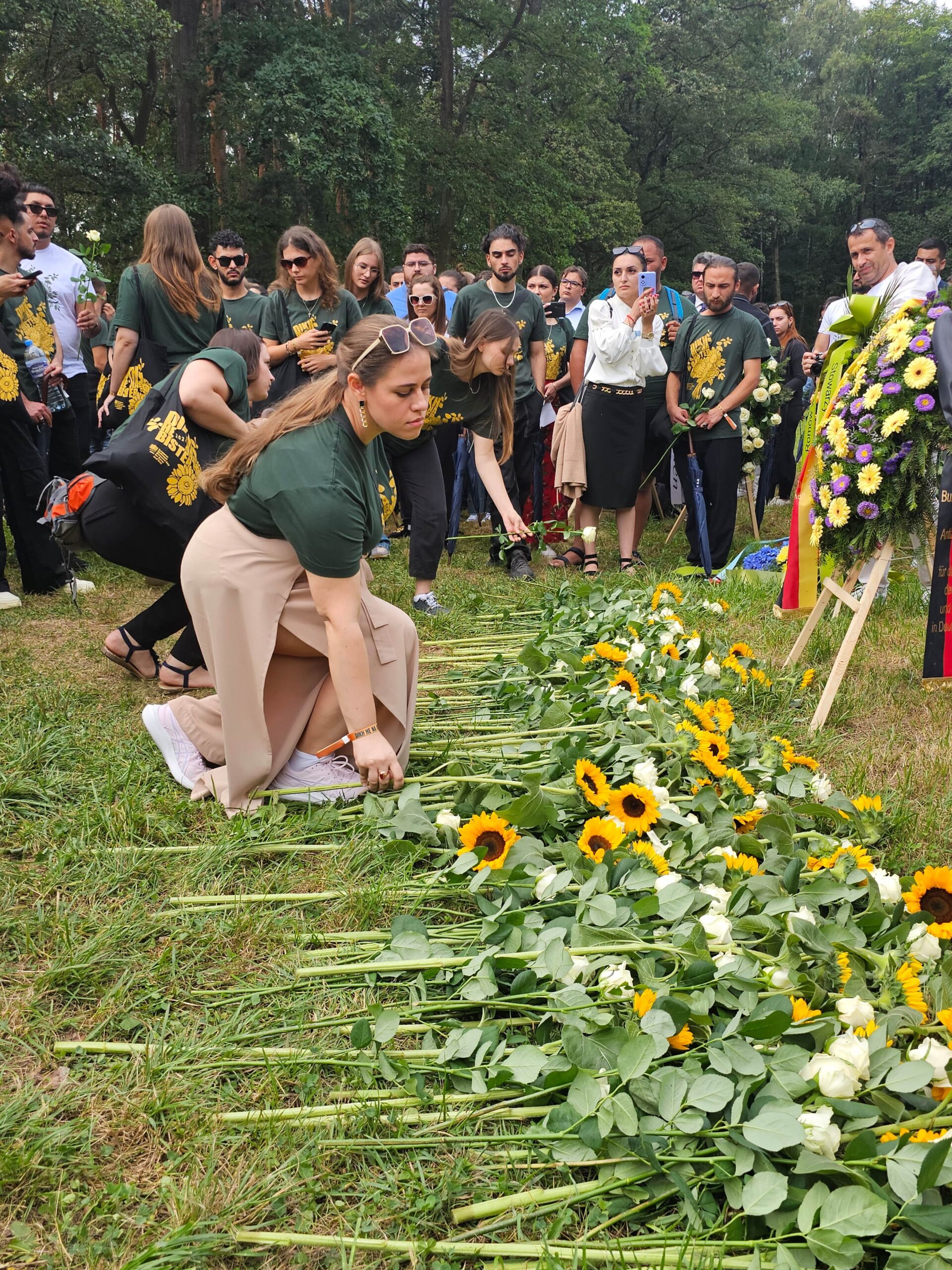
- Commemoration: On August 2, the delegation joined the central commemorative ceremony marking the anniversary of the liquidation of the so-called “Gypsy camp” at Auschwitz, where thousands of Roma men, women, and children were murdered in a single night.
“Time to Remember”: Our Graphic Story of Humanity
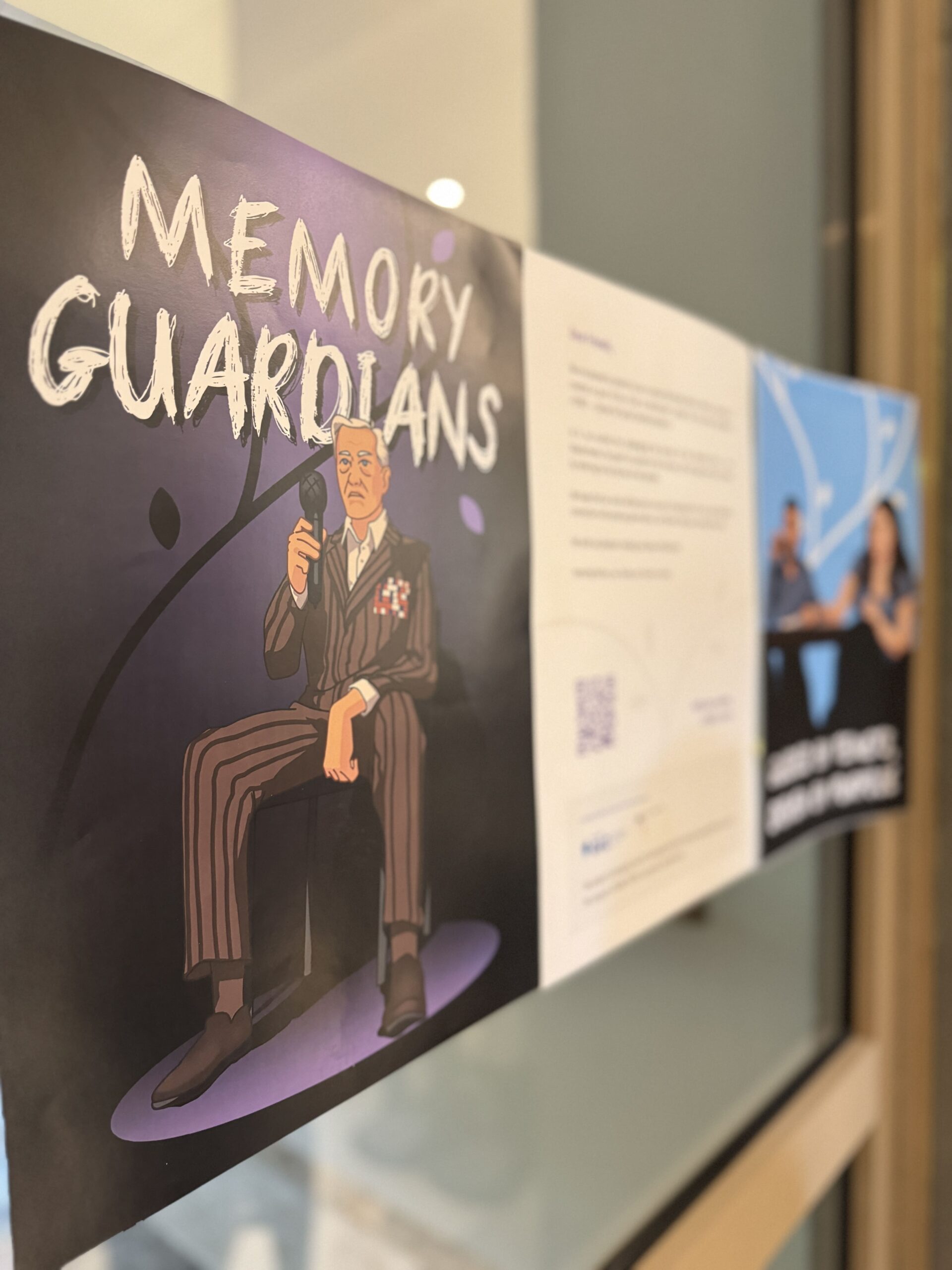
During the event, the TENET team had the opportunity to present its unique project to the international community—the graphic story “Time to Remember.” This publication, based on the memoirs of Ivan Korniyovych Bilashchenko, is a small step toward popularizing stories that often go unheard.
“The most significant meeting with I. Bilashchenko was our joint trip to ‘Dikh He Na Bister.’ The week spent with ‘our grandfather’ left a lasting impression of his philosophical reflections on life in the memory of hundreds of participants,” the team recalls.
This comic, published in Ukrainian, English, and Romani (Roséysʹkyy dialect), reminds younger generations of the importance of humanity, compassion, and unity in the most difficult times. An electronic version of the publication is available on our website.
Voices of Memory: The Team’s Impressions from Visiting Auschwitz-Birkenau
A visit to Auschwitz leaves no one indifferent. It is a place where every shadow is a reminder of boundless human cruelty. Here are just a few thoughts from our team, shared after visiting the memorial.
Ruslana Sklyarova: “I felt that cruelty is always near us. The fact that its bony, withered hand has not yet reached you only means that someone once gave their life for it. People create hell for one another. They murder children, then build museums on their bones and speak of memory as if it will make the present less criminal.”
Tetyana Storozhko: “Auschwitz became a container for such a concentration of sorrow and pain that it’s impossible to comprehend. Many triggers surface, especially when you come to this place from a country currently experiencing the horrors of war.”
Vira Dranhoy: “Last year I was a participant at the event, and this year I was a facilitator. Each time, a visit to Auschwitz leaves another scar on my memory… And after each visit, you understand the meaning of the word ‘genocide’ and its scale even better.”
Artur Ivanenko: “This was my fifth trip to Dikh He Na Bister. Every year, I realize more and more how important our work is to prevent these horrors from happening again… To know and to remember is our duty to those who did not survive and to those who are yet to be born. After all, memory is our shared responsibility for the future.”
Participating in Dikh He Na Bister is more than just an educational trip. It is a powerful emotional experience that strengthens our resolve to work for a future free from hatred and genocide. Together, we preserve memory and build a world based on respect and human rights.